

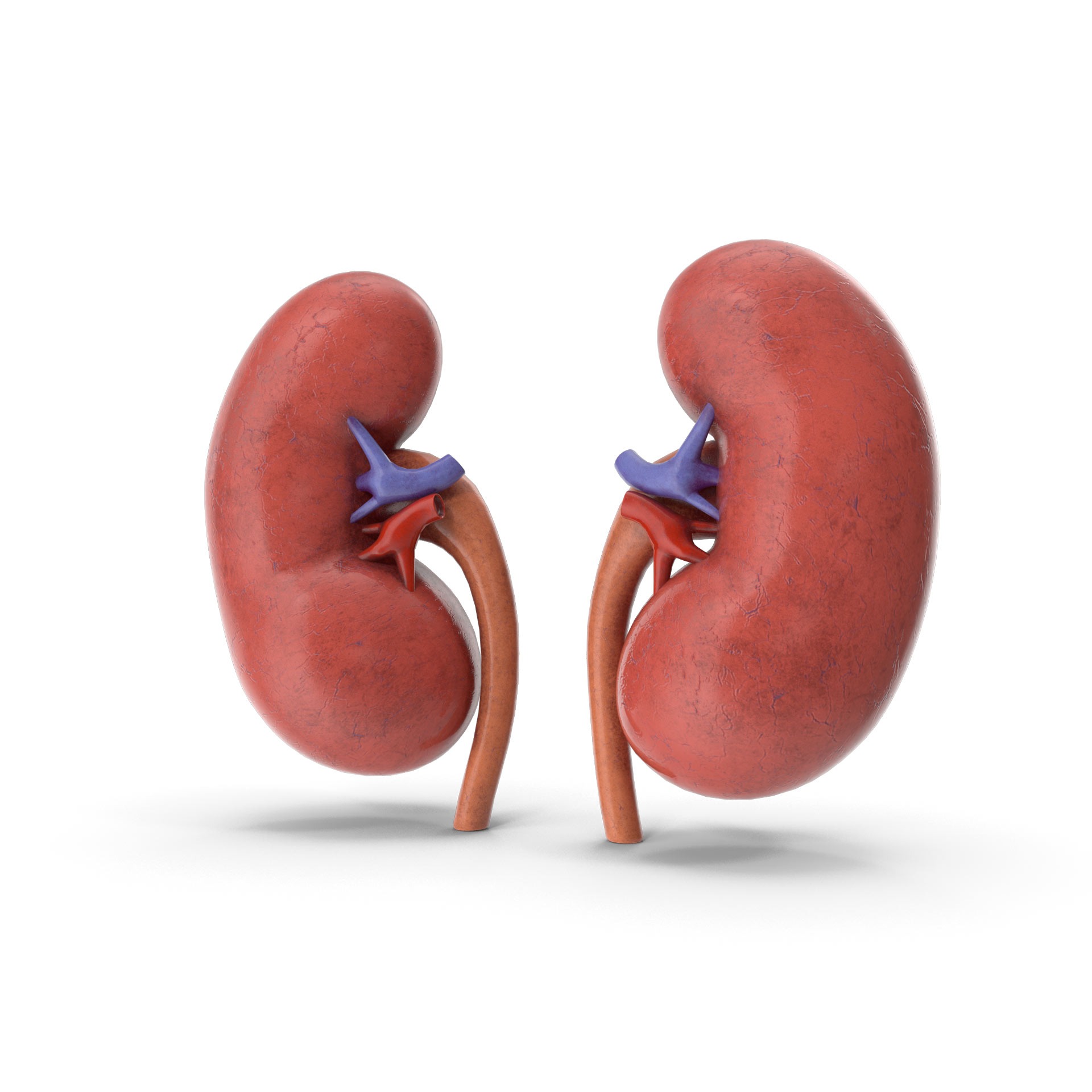
The kidneys are the body's true centers of balance. When they are healthy, they work 24 hours a day to keep the body functioning properly. Preserving your kidney health is essential for living with energy, well-being, and quality of life.
What are the functions of the kidneys?
- They filter the blood, eliminating toxins and metabolic waste (such as urea and creatinine);
- They regulate the balance of fluids and minerals, such as sodium, potassium, and calcium;
- They produce erythropoietin, a hormone essential for the formation of red blood cells;
- They activate vitamin D, which is essential for maintaining strong bones;
- They help control blood pressure;
- They maintain the body's chemical balance, preventing dangerous imbalances;
- They contribute to the healthy growth of children by regulating hormone production.
Chronic kidney disease is a progressive disease that affects the kidneys, often without causing symptoms in the early stages. This silent nature can delay diagnosis and compromise kidney health without the person realizing it.
In Portugal, CKD is estimated to affect around 9.8% of the adult population, which corresponds to approximately one million people. This figure is in line with the international average, which varies between 8% and 10% of the world's population.
As the disease progresses, the kidneys gradually lose their ability to filter blood and remove toxins and waste from the body. In the more advanced stages, this loss of function can lead to end-stage renal failure, requiring dialysis or a kidney transplant.
Portugal also stands out for having one of the highest rates of people undergoing renal replacement therapy in Europe, with more than 13,000 patients on hemodialysis.
At DaVita, our mission is to support each person on their treatment journey with personalized solutions, dedicated clinical teams, and an ongoing commitment to our patients' quality of life.
Stages of Chronic Kidney Disease
Chronic Kidney Disease (CKD) progresses over time and is divided into five stages, according to the degree of kidney function. These stages help doctors and patients better understand the state of kidney function and decide on the most appropriate treatment.
As the stages progress, the kidneys gradually lose their ability to filter blood, which can lead to end-stage renal failure. At this point, the kidneys are functioning at less than 10 to 15% of their capacity, and it is necessary to start dialysis or consider a kidney transplant.


Causes and Risk Factors
Chronic kidney disease is often associated with other health conditions that, over time, affect kidney function.
The main causes in Portugal:
- Diabetes mellitus: responsible for 31.3% of new cases of CKD;
- High blood pressure: associated with 11.2% of diagnoses.
When poorly controlled, these two conditions progressively damage the kidneys. Diabetes affects the renal blood vessels, while hypertension forces the kidneys to work excessively, causing damage. Both can lead to kidney failure if left untreated.
Other important risk factors:
- Family history of kidney disease;
- Obesity;
- Chronic glomerulonephritis;
- Hereditary kidney diseases.
Symptoms of Chronic Kidney Disease
The disease is often silent. In its early stages, it may not present any symptoms, which makes early diagnosis difficult. Therefore, it is essential to be vigilant and undergo regular screening, especially if you belong to a risk group.
As CKD progresses, signs such as the following may appear:
- Persistent fatigue or tiredness, even after rest;
- Swelling in the legs, ankles, or feet due to fluid retention;
- Changes in urine, such as changes in frequency, color, foam, or presence of blood;
- Loss of appetite and nausea, often accompanied by general malaise;
- Itchy skin, with no apparent cause.
These symptoms can easily be confused with other conditions. If you notice any of them persistently, talk to your doctor and ask for a kidney function evaluation.
Early Detection: The First Step in Kidney Care
As CKD can develop silently for years, many people only discover they have the disease when it is already in its advanced stages.
The good news?
CKD can be identified through simple and quick tests, such as:
- Blood tests, which assess creatinine and glomerular filtration rate (GFR);
- Urine tests, such as proteinuria (protein in urine) screening.
These tests enable the detection of changes in kidney function before symptoms appear, increasing the chances of control and quality of life.
Who should undergo regular screening?
- People with diabetes mellitus;
- People with high blood pressure;
- People who are overweight or obese;
- People who have a family history of kidney disease.
If you belong to one of these groups, talk to your doctor. Early screening can make all the difference.

Treatment of Chronic Kidney Disease
CKD has no cure, but it can be controlled. With the right monitoring, it is possible to slow down the progression of the disease, relieve symptoms, and maintain quality of life for longer.
What happens in the more advanced stages?
When kidney function reaches very low levels (stage 5), the kidneys are no longer able to perform their vital functions. In such cases, it is necessary to start renal replacement therapy, such as:
- Hemodialysis – a process in which a machine removes toxins and excess fluids from the blood;
- Peritoneal dialysis – treatment performed at home by introducing a fluid into the abdominal cavity;
- Kidney transplant – replacement of a diseased kidney with a healthy kidney from a compatible donor.
The type of treatment will always be decided with respect for each patient's individuality.